
Omaha, NE – November 04, 2026 – PRESSADVANTAGE –
Shadow Lake Collision is publishing consumer guidance explaining why pre-repair diagnostic scanning can be an important part of evaluating a vehicle after a collision. The November guidance focuses on how scanning can provide technicians with electronic information that may not be available through a visual inspection alone.
Modern vehicles can contain electronic control modules connected with systems throughout the vehicle. Depending on the model and equipment, these systems can support functions involving driver assistance, lighting, restraints, parking assistance, cameras, sensors, and other electronically monitored components.
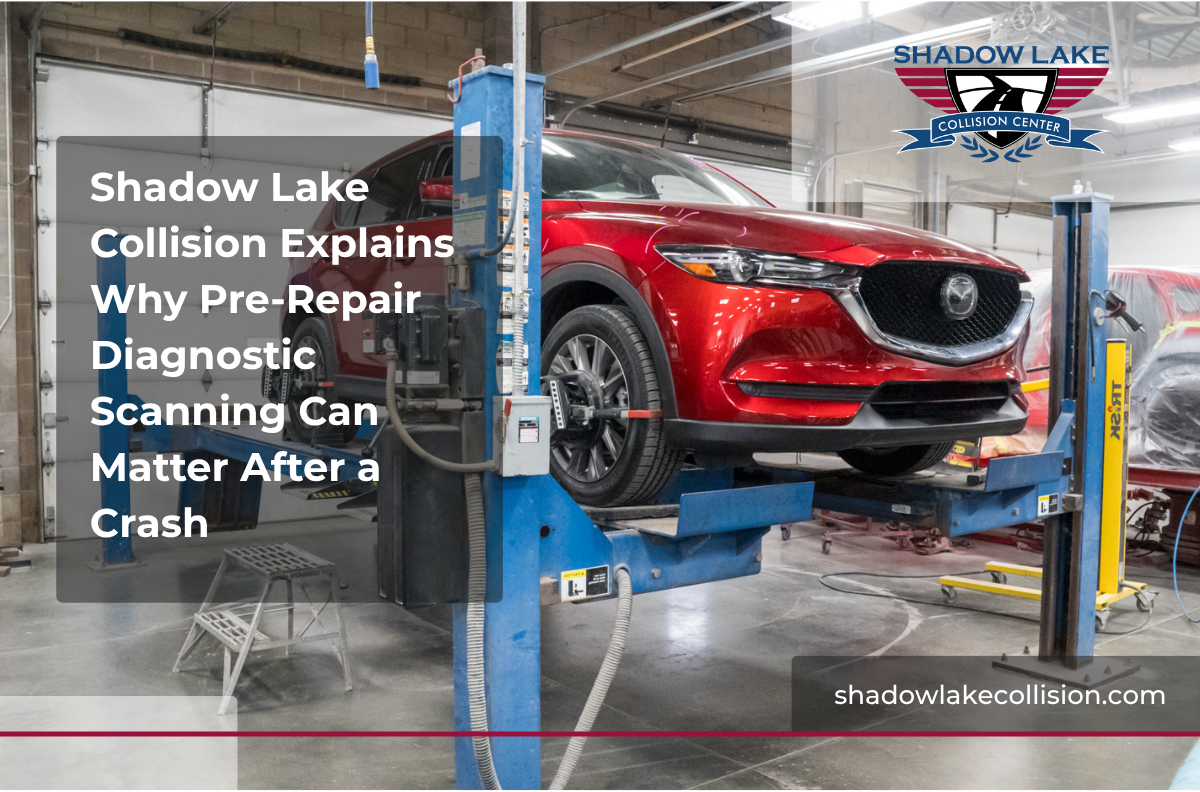
After a crash, visible body damage provides only one part of the information technicians may need when developing a repair plan. Shadow Lake Collision’s collision repair services can involve evaluating both the physical damage and other vehicle-specific considerations relevant to the affected areas.
A pre-repair diagnostic scan communicates with supported vehicle systems to retrieve information stored by electronic modules. Depending on the vehicle and collision, that information can help technicians identify diagnostic trouble codes or system conditions that warrant further evaluation during repair planning.
The November guidance emphasizes that diagnostic scanning and visual inspection serve different purposes.
A technician may be able to identify a cracked bumper, damaged fender, displaced body panel, or broken lamp through physical inspection. Electronic information associated with the vehicle’s systems may not be equally apparent from exterior appearance.
This distinction can be particularly relevant when collision damage occurs around areas containing sensors, cameras, wiring, electronic modules, or related components. A bumper, mirror, windshield area, or other body component can have functions beyond its visible exterior surface depending on how the vehicle is equipped.
A diagnostic trouble code also does not automatically identify a damaged part or determine the repair by itself. Instead, scan information provides another source of information that technicians can consider alongside physical inspection, vehicle condition, collision location, and applicable repair procedures.
Through auto body repair, technicians can use the information available during the evaluation process to develop a repair plan based on the specific vehicle rather than assuming that similar-looking collision damage requires identical work.
Timing is another reason the November guidance focuses specifically on pre-repair scanning. Information gathered before repairs begin can establish a starting point for understanding electronic system conditions present when the vehicle enters the repair process.
That starting point can help distinguish pre-repair findings from information gathered later as repairs progress. Additional diagnostic procedures may be appropriate at other stages depending on the vehicle, the systems involved, and applicable repair information.
The guidance also helps clarify the difference between scanning and calibration. A diagnostic scan retrieves information from supported electronic systems. Calibration is a separate procedure used for certain components or systems when required by the vehicle manufacturer or applicable repair procedure. Performing a scan does not automatically mean that every vehicle requires calibration.
Vehicle-specific repair information remains important because electronic systems vary significantly among makes, models, model years, and equipment configurations. Shadow Lake Collision provides information about its approach to manufacturer-specific repair considerations through its OEM certifications resource.
For Omaha drivers, the central takeaway from the November guidance is that collision evaluation can involve more than identifying damaged exterior components. Pre-repair diagnostic scanning can provide electronic information that complements the physical inspection and helps technicians understand conditions that may need attention as the repair plan is developed.
Shadow Lake Collision provides auto body and collision repair services at 4040 S 84th St, Omaha, NE 68127.
###
For more information about Shadow Lake Collision – Omaha, contact the company here:
Shadow Lake Collision – Omaha
Eric Dawson
(402) 915-8400
info@shadowlakecollision.com
4040 S 84th St, Omaha, NE 68127


